Clinical Scorecard: Recombinant ADAMTS13: An Enzyme Replacement Therapy for the Management of Congenital Thrombotic Thrombocytopenic Purpura
At a Glance
| Category | Detail |
|---|---|
| Condition | Congenital Thrombotic Thrombocytopenic Purpura (cTTP) |
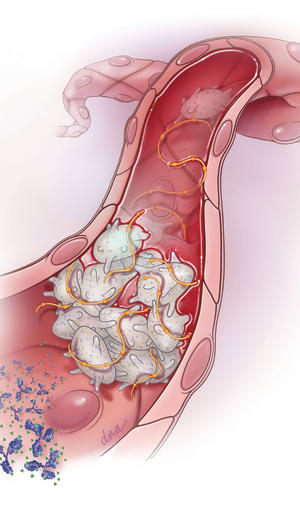
| Key Mechanisms | Deficiency of ADAMTS13 leads to unregulated circulation of ultra-large vWF multimers, causing increased platelet adhesion and aggregation. |
| Target Population | Pediatric and adult patients with congenital TTP. |
| Care Setting | Hospital and outpatient settings for management and prophylaxis. |
Key Highlights
- cTTP is an autosomal recessive disorder caused by mutations in the ADAMTS13 gene.
- Characterized by microvascular thrombosis, consumptive thrombocytopenia, and microangiopathic hemolytic anemia.
- Recombinant ADAMTS13 (rADAMTS13) is the first FDA-approved treatment for cTTP.
- rADAMTS13 allows for restoration of ADAMTS13 activity, reducing thrombotic complications.
- Traditional treatment involves plasma infusions, which carry risks of transfusion reactions.
Guideline-Based Recommendations
Diagnosis
- ADAMTS13 activity level < 10% confirms cTTP diagnosis.
- Genetic sequencing should be performed if anti-ADAMTS13 IgG autoantibodies are negative.
Management
- Prophylactic or on-demand administration of rADAMTS13 is recommended.
- Plasma infusions may be used for acute episodes but are burdensome.
Monitoring & Follow-up
- Monitor ADAMTS13 activity levels and clinical symptoms post-treatment.
Risks
- Risks associated with plasma transfusions include transfusion reactions and thrombotic events.
Patient & Prescribing Data
Patients with diagnosed congenital TTP, including pediatric and adult populations.
rADAMTS13 provides a safer alternative to plasma infusions, especially for patients unable to receive blood products.
Clinical Best Practices
- Consider genetic testing for patients with suspected cTTP.
- Utilize rADAMTS13 for both prophylactic and on-demand treatment strategies.
- Regularly assess for signs of thrombotic microangiopathy and adjust treatment accordingly.
References
- Kremer Hovinga & George, 2019
- Alwan et al., 2019
- Scully et al., 2008
- Sukumar et al., 2021
- Takeda Pharmaceuticals, 2023
This content is an AI-generated, fully rewritten summary based on a published scholarly article. It does not reproduce the original text and is not a substitute for the original publication. Readers are encouraged to consult the source for full context, data, and methodology.